Government structure affects every aspect of life, yet many citizens understand little about how it functions. Basic knowledge of governmental institutions, processes, and principles enables meaningful participation and informed voting. While specific structures vary by country, certain patterns are widespread.
How Government Works

Constitutions establish fundamental rules. Written or unwritten, they define government structure, allocate powers among branches, protect individual rights, and set amendment procedures. Constitutions represent founding agreements that subsequent laws must respect. Constitutional interpretation evolves through judicial decisions and practice.
Separation of powers distributes authority among branches to prevent concentration. Typically three branches exist. Legislative branch (Congress, Parliament) makes laws. Executive branch (President, Prime Minister, Cabinet) enforces laws. Judicial branch (courts) interprets laws and resolves disputes. Each checks others’ power through mechanisms like veto, confirmation, and judicial review.
Federal systems divide power between national and regional governments. States, provinces, or cantons retain significant authority over local matters while national government handles defense, foreign policy, and interstate commerce. This balances unity with local control. Unitary systems concentrate power nationally, with regional governments exercising delegated authority.
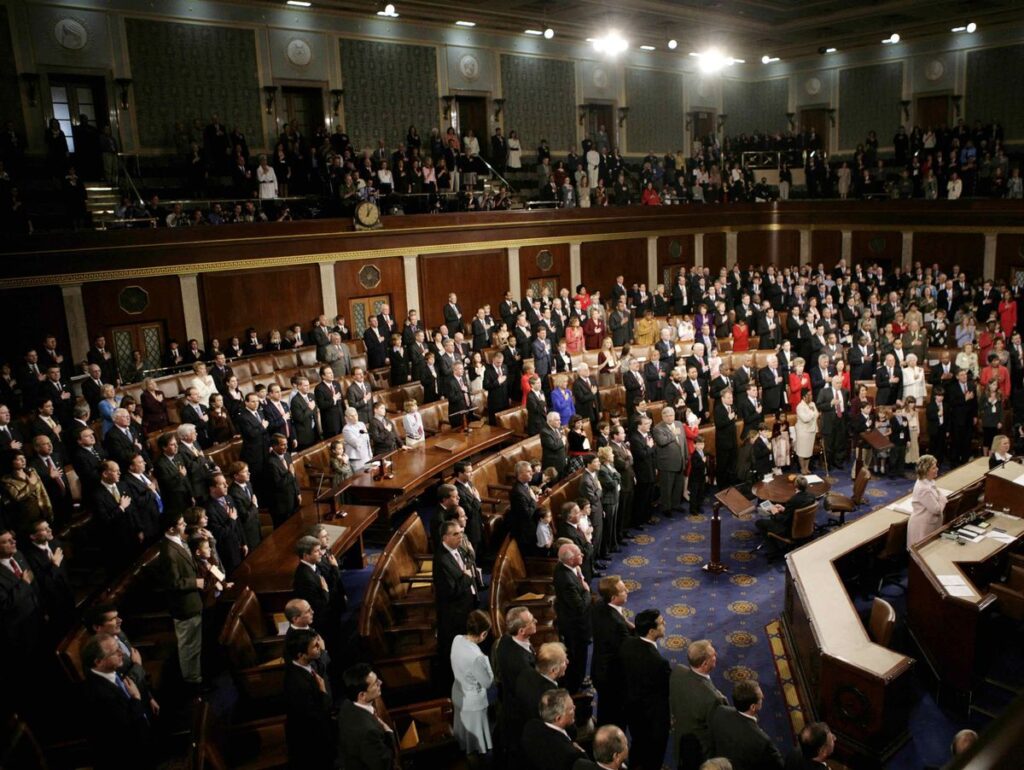
Legislatures represent citizens. Members debate, amend, and vote on proposed laws. Bicameral systems have two chambers (like House and Senate) providing different forms of representation. Committees do detailed work, holding hearings and refining legislation. Party discipline influences how members vote. Legislatures also oversee executive branch and approve budgets.
Executive branch implements laws. Presidents, directly elected, serve fixed terms with significant independence. Prime ministers, chosen by legislature, depend on parliamentary confidence. Cabinets consist of department heads managing areas like defense, education, health. Bureaucracy implements policies day-to-day, wielding significant influence through expertise and continuity.
Judicial branch interprets laws. Independent judges, appointed or elected, decide cases applying law to facts. Higher courts establish precedents binding lower courts. Judicial review allows courts to strike down laws violating constitution, a powerful check on legislative power. This counter-majoritarian function protects rights but can conflict with democratic will.
Elections translate citizen preferences into government. Regular, free, and fair elections allow peaceful power transfers. Electoral systems vary: first-past-the-post elects single winners in districts; proportional representation allocates seats based on vote share. Each affects party systems and representation. Campaign finance, redistricting, and voting access significantly influence outcomes.
Political parties organize competition. They recruit candidates, develop policy platforms, mobilize voters, and structure legislative activity. Party systems range from two-party dominance to multi-party coalitions. Parties aggregate interests but can also polarize and entrench division. Primary elections determine nominees in some systems.
Interest groups advocate for specific causes. Unions, corporations, advocacy organizations, and professional associations lobby officials, educate public, and support candidates. Their influence raises concerns about unequal access. Transparency and campaign finance regulation attempt to balance participation with fairness.
Public participation extends beyond voting. Contacting officials, attending meetings, testifying at hearings, joining protests, and serving on juries are forms of engagement. Civic organizations build community and develop civic skills. Informed participation requires staying aware of issues and government actions.
Budgets reveal priorities. Governments raise revenue through taxes (income, sales, property, corporate) and fees. They spend on defense, education, health, infrastructure, social programs, and debt service. Budget processes involve executive proposals, legislative negotiation, and ongoing oversight. Deficits occur when spending exceeds revenue; debt accumulates.
Federalism creates multiple layers. National, state, and local governments each have responsibilities. Local governments handle schools, police, zoning. States manage roads, courts, many regulations. National government handles defense, foreign policy, interstate commerce. Understanding which level handles which issues enables effective advocacy.
Checks and balances require compromise. No single actor can impose will without cooperation. This deliberate friction slows action but prevents tyranny. Legislation requires multiple approvals. Appointments need confirmation. Executive actions face judicial review. This system frustrates but protects.
Government’s complexity reflects society’s complexity. Understanding basic structures enables citizens to navigate, advocate, and hold officials accountable. Democracy depends on informed participation, not just occasional voting.