Climate Science Fundamentals

Climate Science Fundamentals

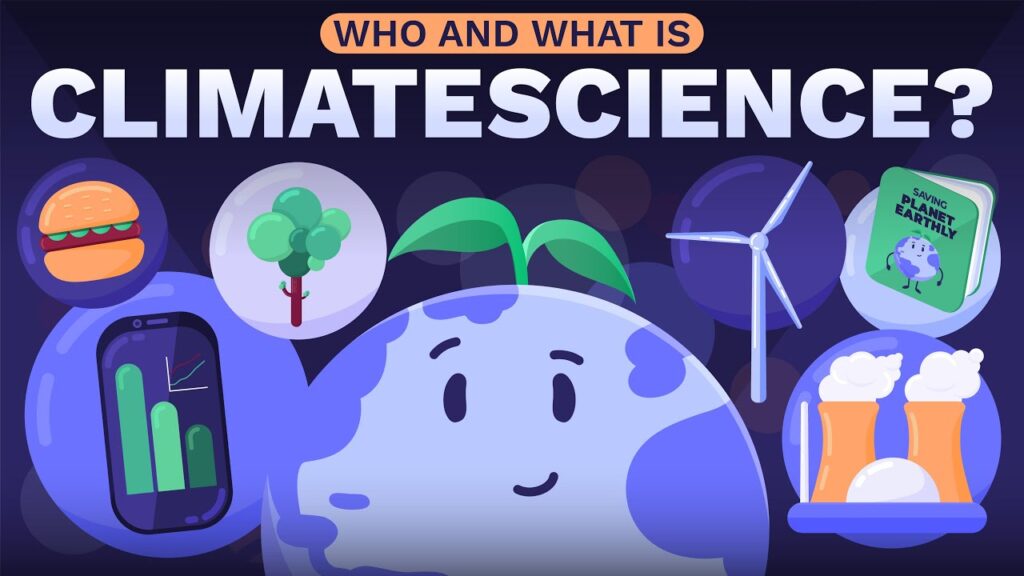
Climate science examines Earth’s climate system—how it works, how it’s changing, and what those changes mean. Distinguished from weather (short-term conditions), climate describes long-term patterns. Understanding climate science basics enables informed engagement with one of era’s most consequential issues.

Climate Science Fundamentals

Climate Science

Earth’s climate results from complex interactions among atmosphere, oceans, land, ice, and life. Solar energy drives system. Incoming sunlight warms surface; Earth radiates infrared back to space. Balance between incoming and outgoing determines temperature. Small changes in this balance produce climate shifts.

Greenhouse effect is natural and necessary. Certain gases—carbon dioxide, methane, water vapor—absorb infrared radiation Earth emits, trapping heat in lower atmosphere. Without this effect, Earth would be about -18°C rather than comfortable 15°C average. Problem began when human activity strengthened effect beyond natural levels.

Carbon dioxide is primary human-added greenhouse gas. Burning fossil fuels (coal, oil, natural gas) releases CO₂ stored underground for millions of years. Deforestation reduces trees absorbing CO₂. Atmospheric CO₂ has increased from about 280 parts per million pre-industrially to over 420 ppm today, highest in at least 800,000 years.

Methane, though less abundant, traps about 80 times more heat than CO₂ over 20 years. Sources include livestock digestion, rice paddies, landfills, natural gas leakage, and thawing permafrost. Reducing methane offers relatively quick climate benefit due to its shorter atmospheric lifetime.

Temperature increase is well-documented. Global average temperature has risen about 1.2°C since late 19th century. Most warming occurred in last 50 years. Each of last four decades warmer than any preceding decade since 1850. Warming accelerates, with recent years setting records.

Evidence extends beyond thermometers. Sea level risen about 8-9 inches since 1880, accelerating due to melting glaciers and thermal expansion. Arctic sea ice declining rapidly. Glaciers retreating worldwide. Growing seasons shifting. Species migrating toward poles and higher elevations. These observations confirm warming.

Extreme events increasing. Heat waves more frequent and intense. Heavy rainfall more common as warmer air holds more moisture. Droughts more severe in some regions. Wildfire season lengthens. Hurricanes may strengthen faster though total number not clearly increasing. Each event cannot be solely attributed to climate change, but patterns emerge.

Oceans absorb about 90% of excess heat and 25% of CO₂ emissions. Ocean warming contributes to sea level rise through thermal expansion. CO₂ absorption causes ocean acidification, dissolving shells of corals, plankton, and shellfish, threatening marine food webs.

Climate models simulate Earth system. Using physics-based equations, they project future climate under different emission scenarios. Models have accurately predicted warming that subsequently occurred, building confidence. Uncertainties remain about exact timing and regional details, but overall direction clear.

Future projections depend on emissions. If emissions continue rising, warming could exceed 4°C by 2100, with catastrophic consequences. If emissions peak soon and decline rapidly, warming could be limited to 1.5-2°C, the Paris Agreement goal. The difference depends on choices made now.

Impacts at 1.5°C versus 2°C differ substantially. Half degree means significantly more extreme heat, species loss, crop failure, sea level rise. This is why “every half degree matters” in climate discussions. Each increment of warming increases risks.

Mitigation means reducing emissions. Transitioning to renewable energy (solar, wind, hydro, geothermal). Improving energy efficiency. Electrifying transportation. Reducing deforestation. Developing carbon capture technologies. These actions require transforming global energy system, technically feasible but politically challenging.

Adaptation means preparing for unavoidable changes. Sea walls protect coastal cities. Drought-resistant crops maintain food production. Cooling centers protect during heatwaves. Improved building codes withstand extreme weather. Both mitigation and adaptation necessary; they complement each other.

Individual actions matter but insufficient alone. Reducing personal carbon footprint valuable but cannot solve problem without systemic change. Collective action through policy, innovation, and cultural shift required. Understanding climate science means recognizing both urgency and possibility.

Climate change is not distant future but present reality. Science is clear; debate now centers on response. Knowledge empowers informed decisions and meaningful participation in shaping future. Climate literacy is essential citizenship skill.

How Government Works

How Government Works

Government structure affects every aspect of life, yet many citizens understand little about how it functions. Basic knowledge of governmental institutions, processes, and principles enables meaningful participation and informed voting. While specific structures vary by country, certain patterns are widespread.

How Government Works

How Government Works

Constitutions establish fundamental rules. Written or unwritten, they define government structure, allocate powers among branches, protect individual rights, and set amendment procedures. Constitutions represent founding agreements that subsequent laws must respect. Constitutional interpretation evolves through judicial decisions and practice.

Separation of powers distributes authority among branches to prevent concentration. Typically three branches exist. Legislative branch (Congress, Parliament) makes laws. Executive branch (President, Prime Minister, Cabinet) enforces laws. Judicial branch (courts) interprets laws and resolves disputes. Each checks others’ power through mechanisms like veto, confirmation, and judicial review.

Federal systems divide power between national and regional governments. States, provinces, or cantons retain significant authority over local matters while national government handles defense, foreign policy, and interstate commerce. This balances unity with local control. Unitary systems concentrate power nationally, with regional governments exercising delegated authority.

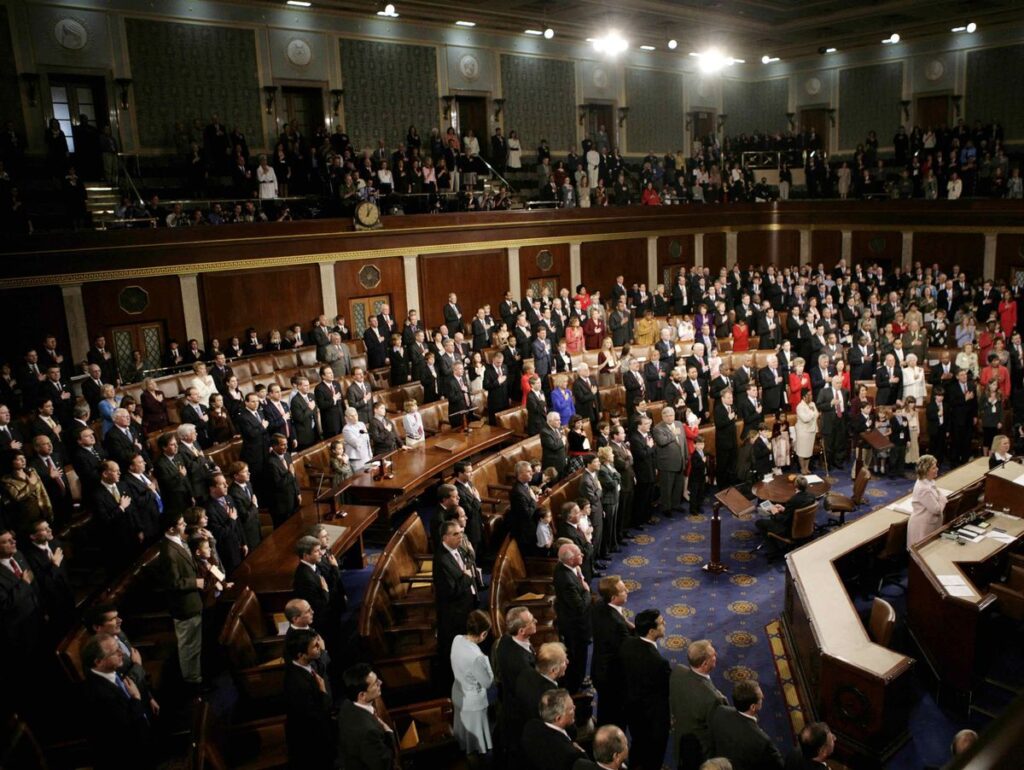
Legislatures represent citizens. Members debate, amend, and vote on proposed laws. Bicameral systems have two chambers (like House and Senate) providing different forms of representation. Committees do detailed work, holding hearings and refining legislation. Party discipline influences how members vote. Legislatures also oversee executive branch and approve budgets.

Executive branch implements laws. Presidents, directly elected, serve fixed terms with significant independence. Prime ministers, chosen by legislature, depend on parliamentary confidence. Cabinets consist of department heads managing areas like defense, education, health. Bureaucracy implements policies day-to-day, wielding significant influence through expertise and continuity.

Judicial branch interprets laws. Independent judges, appointed or elected, decide cases applying law to facts. Higher courts establish precedents binding lower courts. Judicial review allows courts to strike down laws violating constitution, a powerful check on legislative power. This counter-majoritarian function protects rights but can conflict with democratic will.

Elections translate citizen preferences into government. Regular, free, and fair elections allow peaceful power transfers. Electoral systems vary: first-past-the-post elects single winners in districts; proportional representation allocates seats based on vote share. Each affects party systems and representation. Campaign finance, redistricting, and voting access significantly influence outcomes.

Political parties organize competition. They recruit candidates, develop policy platforms, mobilize voters, and structure legislative activity. Party systems range from two-party dominance to multi-party coalitions. Parties aggregate interests but can also polarize and entrench division. Primary elections determine nominees in some systems.

Interest groups advocate for specific causes. Unions, corporations, advocacy organizations, and professional associations lobby officials, educate public, and support candidates. Their influence raises concerns about unequal access. Transparency and campaign finance regulation attempt to balance participation with fairness.

Public participation extends beyond voting. Contacting officials, attending meetings, testifying at hearings, joining protests, and serving on juries are forms of engagement. Civic organizations build community and develop civic skills. Informed participation requires staying aware of issues and government actions.

Budgets reveal priorities. Governments raise revenue through taxes (income, sales, property, corporate) and fees. They spend on defense, education, health, infrastructure, social programs, and debt service. Budget processes involve executive proposals, legislative negotiation, and ongoing oversight. Deficits occur when spending exceeds revenue; debt accumulates.

Federalism creates multiple layers. National, state, and local governments each have responsibilities. Local governments handle schools, police, zoning. States manage roads, courts, many regulations. National government handles defense, foreign policy, interstate commerce. Understanding which level handles which issues enables effective advocacy.

Checks and balances require compromise. No single actor can impose will without cooperation. This deliberate friction slows action but prevents tyranny. Legislation requires multiple approvals. Appointments need confirmation. Executive actions face judicial review. This system frustrates but protects.

Government’s complexity reflects society’s complexity. Understanding basic structures enables citizens to navigate, advocate, and hold officials accountable. Democracy depends on informed participation, not just occasional voting.

Women’s Health Across the Lifespan

Women’s Health Across the Lifespan

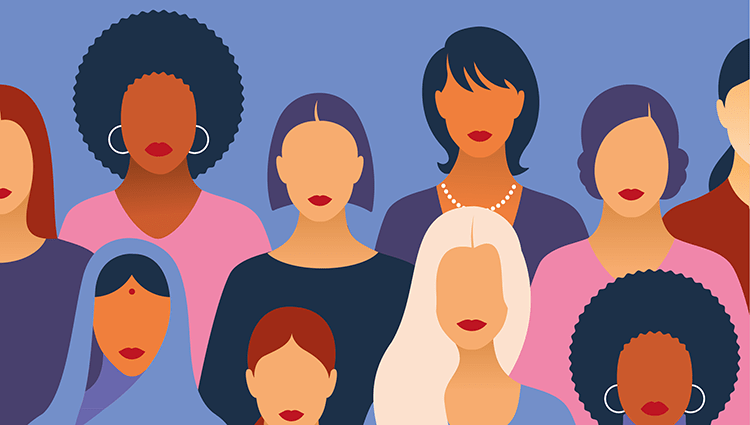
Women’s health involves unique considerations across every life stage, from puberty through reproductive years to menopause and beyond. Historically understudied in medical research, women’s health is finally receiving attention proportionate to its importance. Understanding these distinct aspects is essential for comprehensive care.

Women’s Health Across the Lifespan

Women's Health Across the Lifespan

Puberty marks beginning of reproductive years. Menarche (first period) typically occurs between ages 10-16, influenced by nutrition, body composition, and genetics. Education about normal menstrual function prepares young women for lifetime of cycle awareness. Irregularities warrant evaluation.

Menstrual health matters throughout reproductive years. The menstrual cycle is vital sign reflecting overall health. Regular cycles indicate hormonal balance; irregularities signal potential issues. Tracking cycles helps identify problems early and understand normal variation. Periods should not be debilitating; severe pain or heavy bleeding warrant medical attention.

Contraception is personal decision with medical implications. Options include hormonal methods (pills, rings, patches, implants, IUDs), barrier methods, fertility awareness, and sterilization. Each has benefits and risks. Choice depends on health status, family planning goals, and personal preference. Access to full range of options is essential.

Fertility declines with age, particularly after 35. Women are born with all eggs they will ever have; both quantity and quality decrease over time. This reality creates tension between career/relationship timing and biological limits. Fertility preservation (egg freezing) offers options for some but is not guarantee.

Pregnancy transforms every body system. Cardiovascular, respiratory, renal, and metabolic adaptations support fetal development. Prenatal care monitors these changes and screens for complications. Nutrition, exercise, and avoidance of harmful substances (alcohol, tobacco, certain medications) optimize outcomes. Pregnancy is window into future health; complications like gestational diabetes or preeclampsia predict later cardiovascular risk.

Postpartum period involves profound physical and emotional adjustment. Hormonal shifts, sleep deprivation, physical recovery, and new demands challenge wellbeing. Postpartum depression affects many; screening and support are essential. The “fourth trimester” deserves attention equal to pregnancy.

Perimenopause, transition to menopause, typically begins in 40s. Hormonal fluctuations cause irregular periods, hot flashes, sleep disruption, mood changes, and vaginal dryness. Symptoms vary enormously. This phase can last years before final menstrual period.

Menopause, defined as 12 months without period, occurs average age 51. Estrogen decline affects multiple systems: bone density decreases, cardiovascular risk increases, vaginal tissue changes, and hot flashes may continue. This is not disease but natural transition requiring management.

Hormone therapy effectively treats menopausal symptoms and prevents bone loss. Benefits depend on timing, duration, and individual risk profile. For women under 60 or within 10 years of menopause, benefits often outweigh risks. Decision is personal, based on symptom burden and health status.

Breast health requires attention across lifespan. Self-awareness, clinical exams, and mammography (starting at 40-50 depending on guidelines and risk) detect cancer early. Most breast changes are benign, but evaluation is essential. Genetic testing identifies those with hereditary risk.

Bone health is particular concern. Women have lower peak bone mass than men and lose bone rapidly after menopause. Osteoporosis risk is high. Adequate calcium, vitamin D, and weight-bearing exercise throughout life build and maintain bone density. Screening identifies those needing treatment.

Heart disease is women’s leading cause of death, yet often underrecognized. Symptoms differ from men’s classic chest pain; women more often experience shortness of breath, nausea, fatigue, or back/jaw pain. Awareness of this “atypical” presentation saves lives.

Autoimmune diseases disproportionately affect women. Conditions like lupus, rheumatoid arthritis, and multiple sclerosis are more common in women. Hormonal and genetic factors contribute. Diagnosis is often delayed; advocacy and awareness improve outcomes.

Mental health concerns vary across lifespan. Premenstrual dysphoric disorder (PMDD) causes severe mood symptoms premenstrually. Perinatal depression affects pregnancy and postpartum. Perimenopausal depression emerges with hormonal fluctuation. Each requires recognition and treatment.

Women’s health is not niche specialty but central to medicine. Understanding female physiology across stages enables prevention, early detection, and appropriate treatment. Every woman deserves care that acknowledges her unique biology and life circumstances.

The Fitness Tracker: Quantified Self, Measured Life

The Fitness Tracker: Quantified Self, Measured Life

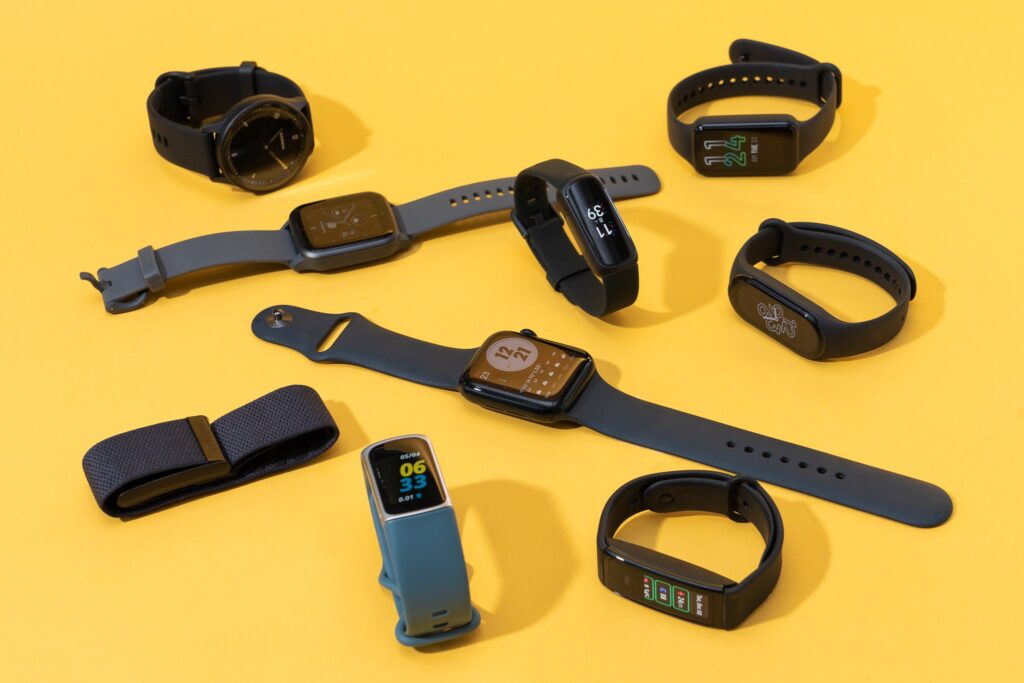
The fitness tracker, epitomized by devices like Fitbit, Whoop, and Oura, represents the consumer face of the quantified self movement. These wearable sensors continuously monitor physical activity, sleep, heart rate, and increasingly sophisticated biometrics, providing users with data about their bodies previously available only to athletes and researchers. The promise is self-knowledge leading to better health. The reality is more complicated.

The Fitness Tracker: Quantified Self, Measured Life

The Fitness Tracker

The core function is activity tracking. Steps, distance, calories burned, and active minutes provide daily targets and feedback. For sedentary populations, simply making movement visible can motivate change. Meeting step goals becomes a game, with streaks and achievements providing positive reinforcement. Many users credit trackers with transforming sedentary habits.

Sleep tracking has become increasingly sophisticated. Wrist-worn devices estimate time asleep, time in different sleep stages, and sleep quality scores. Morning readiness scores combine sleep, heart rate variability, and recent activity to suggest whether today should be a workout or rest day. For those seeking to optimize recovery, this data is invaluable.

Heart rate monitoring enables cardio fitness tracking. Resting heart rate trends reveal fitness improvements or potential illness. Heart rate zones during exercise guide training intensity. Recovery heart rate after exercise indicates cardiovascular health. The optical sensors have become remarkably accurate for resting and steady-state measurements.

Heart rate variability (HRV) has emerged as a key metric. HRV measures the variation in time between heartbeats, which is controlled by the autonomic nervous system. Higher HRV generally indicates better recovery and readiness. Tracking HRV trends helps optimize training and detect stress or illness before symptoms appear.

Advanced metrics multiply. Blood oxygen saturation (SpO2) monitoring can detect sleep apnea and respiratory issues. Skin temperature variation tracks circadian rhythms and can indicate illness onset. Menstrual cycle tracking uses multiple signals to predict fertility and cycle phases. The tracker becomes a comprehensive health monitor.

Form factors vary. Wrist bands like Fitbit Charge are unobtrusive and comfortable. Smart rings like Oura offer even less presence, appealing to those who dislike wrist wear. Chest straps remain most accurate for heart rate but are less convenient. The trend is toward continuous, comfortable monitoring that fades into the background.

Whoop takes a subscription-based approach, selling hardware cheaply and charging monthly for access to data and insights. This aligns incentives: the company succeeds when users stay engaged and find value. Oura similarly emphasizes insights over raw data, presenting information in actionable ways.

Accuracy limitations persist. Optical heart rate sensors struggle with dark skin, tattoos, and intense interval training. Sleep stage estimation is less accurate than laboratory polysomnography. Calorie expenditure estimates have wide error margins. Users should understand these limitations rather than treating data as absolute truth.

Data ownership and privacy are significant concerns. Health data is among the most sensitive information a person can generate. Who owns it? How is it protected? Can insurers access it? The companies collecting this data have strong incentives to monetize it, and users should understand terms of service.

Behavioral effects cut both ways. Some users become obsessed with optimizing metrics, experiencing anxiety when targets aren’t met. The line between healthy self-monitoring and pathological self-surveillance can blur. The tracker should serve well-being, not undermine it.

Social features add motivation through competition and community. Step challenges with friends, sharing achievements, and community support can increase engagement. But comparison can also discourage those with different baseline abilities.

The future includes more sensors monitoring more metrics. Blood pressure, hydration, and glucose are likely next. Integration with medical systems could make trackers legitimate health devices rather than wellness gadgets. Clinical validation will be essential.

The fitness tracker embodies both promise and peril of the quantified self. It offers unprecedented access to biological data, empowering individuals to understand and improve their health. But it also creates new forms of surveillance, anxiety, and data vulnerability. Using these devices wisely requires understanding both their power and their limits.

The Future of Work: Automation, Augmentation, and Adaptation

The Future of Work: Automation, Augmentation, and Adaptation

The relationship between humans and machines in the workplace is undergoing its most profound transformation since the Industrial Revolution. Automation, artificial intelligence, and digital platforms are reshaping not just specific jobs but entire occupations, industries, and the very nature of employment. Understanding these changes is essential for workers, employers, educators, and policymakers navigating the future of work.

The Future of Work: Automation, Augmentation, and Adaptation

The Future of Work

The debate about automation often polarizes into either technological utopianism or dystopian job destruction. The reality is more nuanced. Some tasks within jobs will be automated while others will be augmented. Some occupations will decline while new ones emerge. The net effect on employment is uncertain, but the composition of work will certainly change.

Routine cognitive and manual tasks are most vulnerable. Data entry, bookkeeping, assembly line work, and even some legal and accounting functions can increasingly be performed by algorithms and robots. These are tasks that follow predictable rules and generate abundant training data. They are being automated not just for cost savings but for speed, accuracy, and scalability.

Non-routine tasks are more resistant. Creative work, complex problem-solving, emotional intelligence, and interpersonal interaction remain distinctly human capabilities. A machine can generate plausible text, but it cannot truly understand human motivation. It can recognize faces, but it cannot provide genuine empathy. It can optimize logistics, but it cannot inspire a team. These human strengths become more valuable as routine tasks are automated.

The gig economy represents another transformation. Platforms like Uber, TaskRabbit, and Upwork connect workers directly with customers, bypassing traditional employment relationships. This offers flexibility for some but insecurity for many. Gig workers typically lack benefits, protections, and the stability of traditional employment. The platform extracts a share of revenue while bearing minimal responsibility for worker welfare. The legal classification of gig workers as independent contractors rather than employees is contested globally.

Remote work, accelerated by the pandemic, is restructuring where and how work happens. Knowledge workers have demonstrated that many jobs can be done effectively from anywhere with adequate connectivity. This opens opportunities for workers in lower-cost locations while challenging urban commercial real estate and the culture of presenteeism. Hybrid models, blending remote and on-site work, are emerging as the new normal for many organizations.

The skills required for future employment are shifting. Technical literacy is increasingly essential across occupations, not just for specialists. Critical thinking, creativity, communication, and collaboration remain foundational. Adaptability may be the meta-skill, as workers must continuously learn and relearn throughout longer careers. The half-life of professional skills is shrinking.

Education and training systems are struggling to keep pace. Traditional degrees, earned early in life, may not suffice for decades of work. Lifelong learning, micro-credentials, and on-the-job training are gaining importance. Employers must invest in workforce development rather than simply hiring ready-made talent. Individuals must take ownership of their skill development, recognizing that employability requires continuous investment.

Inequality is a central concern. The benefits of automation and AI may accrue disproportionately to capital owners and highly skilled workers, while displacing those in routine jobs. Without deliberate intervention, technology could amplify existing disparities. Policy responses might include strengthened social safety nets, portable benefits, lifelong learning accounts, and potentially even universal basic income experiments.

The future of work is not predetermined. It will be shaped by technological capabilities, business decisions, worker organizing, and public policy. The choices made today will determine whether technology liberates workers from drudgery or merely concentrates wealth and power. The goal should be not just more productive work but better work: meaningful, secure, and compatible with human flourishing.