The fitness tracker, epitomized by devices like Fitbit, Whoop, and Oura, represents the consumer face of the quantified self movement. These wearable sensors continuously monitor physical activity, sleep, heart rate, and increasingly sophisticated biometrics, providing users with data about their bodies previously available only to athletes and researchers. The promise is self-knowledge leading to better health. The reality is more complicated.
The Fitness Tracker: Quantified Self, Measured Life
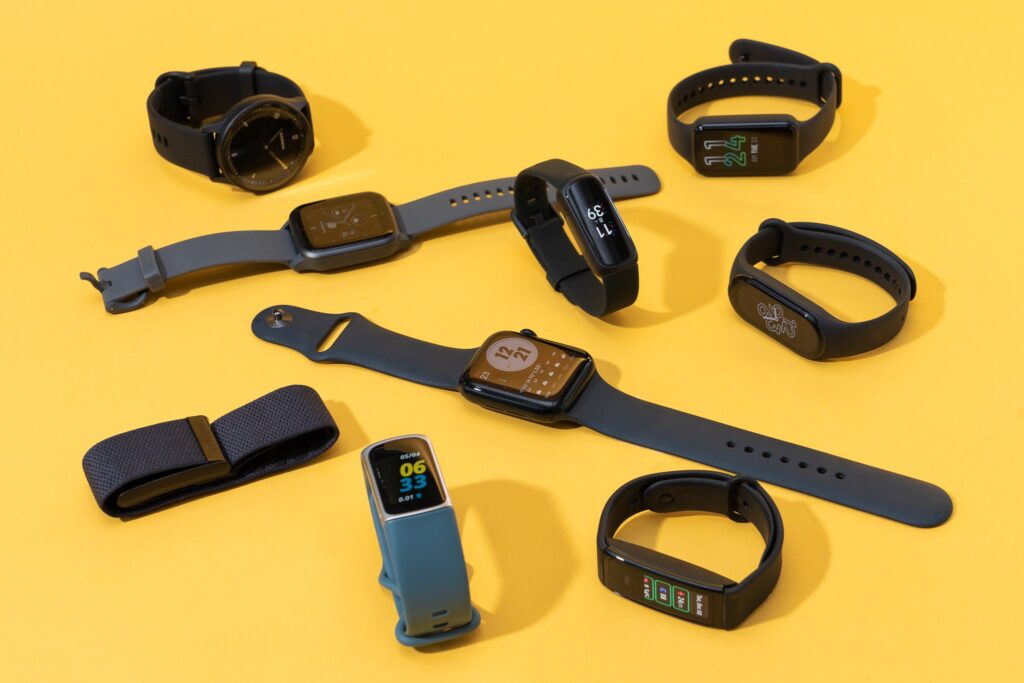

The core function is activity tracking. Steps, distance, calories burned, and active minutes provide daily targets and feedback. For sedentary populations, simply making movement visible can motivate change. Meeting step goals becomes a game, with streaks and achievements providing positive reinforcement. Many users credit trackers with transforming sedentary habits.
Sleep tracking has become increasingly sophisticated. Wrist-worn devices estimate time asleep, time in different sleep stages, and sleep quality scores. Morning readiness scores combine sleep, heart rate variability, and recent activity to suggest whether today should be a workout or rest day. For those seeking to optimize recovery, this data is invaluable.
Heart rate monitoring enables cardio fitness tracking. Resting heart rate trends reveal fitness improvements or potential illness. Heart rate zones during exercise guide training intensity. Recovery heart rate after exercise indicates cardiovascular health. The optical sensors have become remarkably accurate for resting and steady-state measurements.
Heart rate variability (HRV) has emerged as a key metric. HRV measures the variation in time between heartbeats, which is controlled by the autonomic nervous system. Higher HRV generally indicates better recovery and readiness. Tracking HRV trends helps optimize training and detect stress or illness before symptoms appear.
Advanced metrics multiply. Blood oxygen saturation (SpO2) monitoring can detect sleep apnea and respiratory issues. Skin temperature variation tracks circadian rhythms and can indicate illness onset. Menstrual cycle tracking uses multiple signals to predict fertility and cycle phases. The tracker becomes a comprehensive health monitor.
Form factors vary. Wrist bands like Fitbit Charge are unobtrusive and comfortable. Smart rings like Oura offer even less presence, appealing to those who dislike wrist wear. Chest straps remain most accurate for heart rate but are less convenient. The trend is toward continuous, comfortable monitoring that fades into the background.
Whoop takes a subscription-based approach, selling hardware cheaply and charging monthly for access to data and insights. This aligns incentives: the company succeeds when users stay engaged and find value. Oura similarly emphasizes insights over raw data, presenting information in actionable ways.
Accuracy limitations persist. Optical heart rate sensors struggle with dark skin, tattoos, and intense interval training. Sleep stage estimation is less accurate than laboratory polysomnography. Calorie expenditure estimates have wide error margins. Users should understand these limitations rather than treating data as absolute truth.
Data ownership and privacy are significant concerns. Health data is among the most sensitive information a person can generate. Who owns it? How is it protected? Can insurers access it? The companies collecting this data have strong incentives to monetize it, and users should understand terms of service.
Behavioral effects cut both ways. Some users become obsessed with optimizing metrics, experiencing anxiety when targets aren’t met. The line between healthy self-monitoring and pathological self-surveillance can blur. The tracker should serve well-being, not undermine it.
Social features add motivation through competition and community. Step challenges with friends, sharing achievements, and community support can increase engagement. But comparison can also discourage those with different baseline abilities.
The future includes more sensors monitoring more metrics. Blood pressure, hydration, and glucose are likely next. Integration with medical systems could make trackers legitimate health devices rather than wellness gadgets. Clinical validation will be essential.
The fitness tracker embodies both promise and peril of the quantified self. It offers unprecedented access to biological data, empowering individuals to understand and improve their health. But it also creates new forms of surveillance, anxiety, and data vulnerability. Using these devices wisely requires understanding both their power and their limits.