

The relationship between humans and machines in the workplace is undergoing its most profound transformation since the Industrial Revolution. Automation, artificial intelligence, and digital platforms are reshaping not just specific jobs but entire occupations, industries, and the very nature of employment. Understanding these changes is essential for workers, employers, educators, and policymakers navigating the future of work.
The Future of Work: Automation, Augmentation, and Adaptation
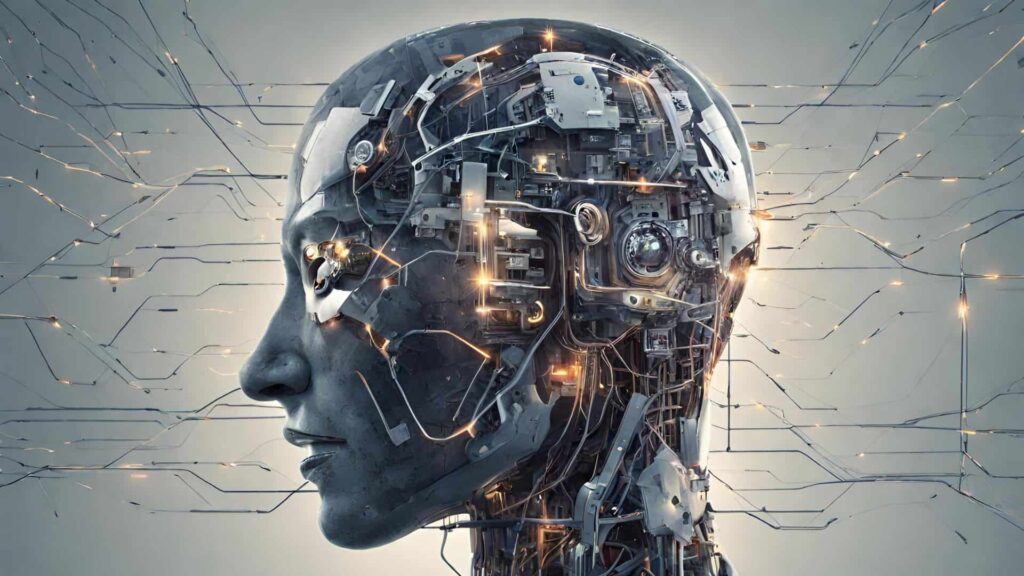

The debate about automation often polarizes into either technological utopianism or dystopian job destruction. The reality is more nuanced. Some tasks within jobs will be automated while others will be augmented. Some occupations will decline while new ones emerge. The net effect on employment is uncertain, but the composition of work will certainly change.
Routine cognitive and manual tasks are most vulnerable. Data entry, bookkeeping, assembly line work, and even some legal and accounting functions can increasingly be performed by algorithms and robots. These are tasks that follow predictable rules and generate abundant training data. They are being automated not just for cost savings but for speed, accuracy, and scalability.
Non-routine tasks are more resistant. Creative work, complex problem-solving, emotional intelligence, and interpersonal interaction remain distinctly human capabilities. A machine can generate plausible text, but it cannot truly understand human motivation. It can recognize faces, but it cannot provide genuine empathy. It can optimize logistics, but it cannot inspire a team. These human strengths become more valuable as routine tasks are automated.
The gig economy represents another transformation. Platforms like Uber, TaskRabbit, and Upwork connect workers directly with customers, bypassing traditional employment relationships. This offers flexibility for some but insecurity for many. Gig workers typically lack benefits, protections, and the stability of traditional employment. The platform extracts a share of revenue while bearing minimal responsibility for worker welfare. The legal classification of gig workers as independent contractors rather than employees is contested globally.
Remote work, accelerated by the pandemic, is restructuring where and how work happens. Knowledge workers have demonstrated that many jobs can be done effectively from anywhere with adequate connectivity. This opens opportunities for workers in lower-cost locations while challenging urban commercial real estate and the culture of presenteeism. Hybrid models, blending remote and on-site work, are emerging as the new normal for many organizations.
The skills required for future employment are shifting. Technical literacy is increasingly essential across occupations, not just for specialists. Critical thinking, creativity, communication, and collaboration remain foundational. Adaptability may be the meta-skill, as workers must continuously learn and relearn throughout longer careers. The half-life of professional skills is shrinking.
Education and training systems are struggling to keep pace. Traditional degrees, earned early in life, may not suffice for decades of work. Lifelong learning, micro-credentials, and on-the-job training are gaining importance. Employers must invest in workforce development rather than simply hiring ready-made talent. Individuals must take ownership of their skill development, recognizing that employability requires continuous investment.
Inequality is a central concern. The benefits of automation and AI may accrue disproportionately to capital owners and highly skilled workers, while displacing those in routine jobs. Without deliberate intervention, technology could amplify existing disparities. Policy responses might include strengthened social safety nets, portable benefits, lifelong learning accounts, and potentially even universal basic income experiments.
The future of work is not predetermined. It will be shaped by technological capabilities, business decisions, worker organizing, and public policy. The choices made today will determine whether technology liberates workers from drudgery or merely concentrates wealth and power. The goal should be not just more productive work but better work: meaningful, secure, and compatible with human flourishing.